


I hope everyone enjoyed the weekend!
This week, I’m sharing a periodontitis treatment case involving a 38-year-old female patient who presented with
localized Stage III, Grade C periodontitis. This case was successfully treated using
osseous defect grafting and guided tissue regeneration (GTR).
Case Presentation
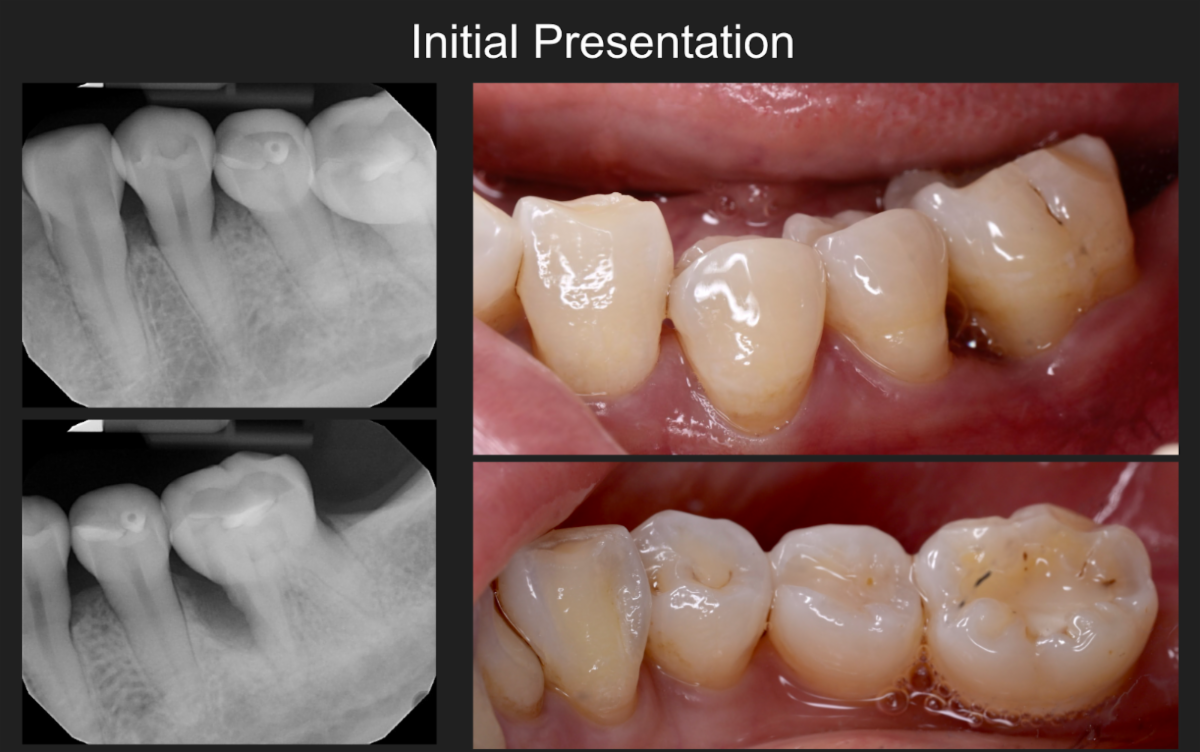
The patient’s #19-m surface presented with a 7 mm probing depth, 3 mm of interproximal recession,
10 mm of clinical attachment loss, and significant calculus accumulation.
Treatment Goals
- Improve oral hygiene
- Establish a maintainable periodontium
- Arrest periodontal disease progression to preserve dentition
- Promote periodontal regeneration and eliminate the osseous defect
Surgical Approach
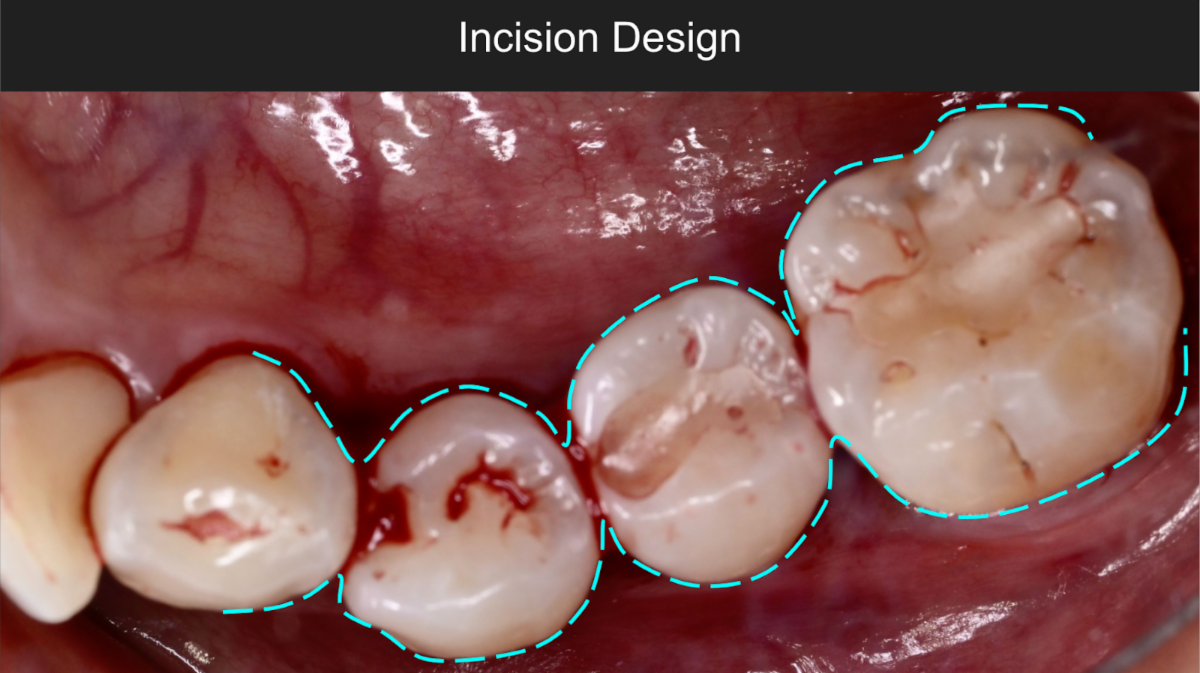
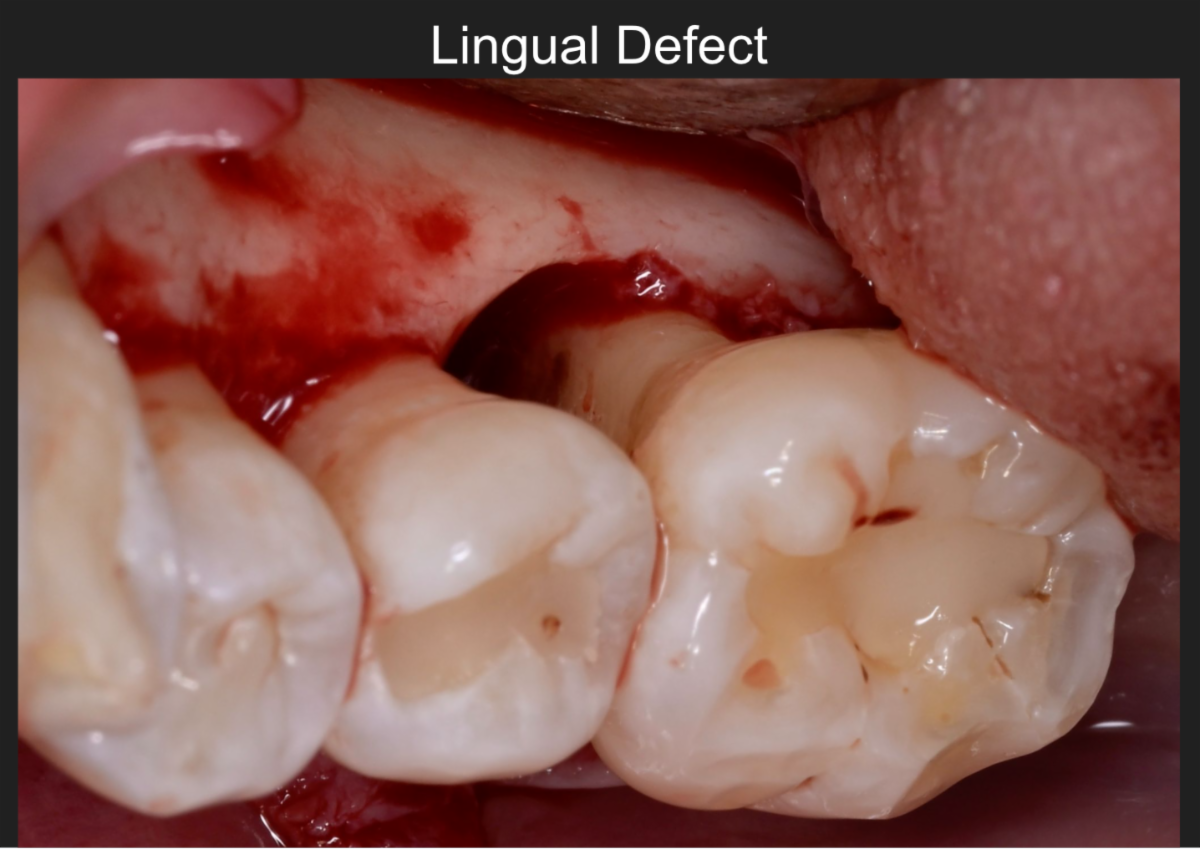
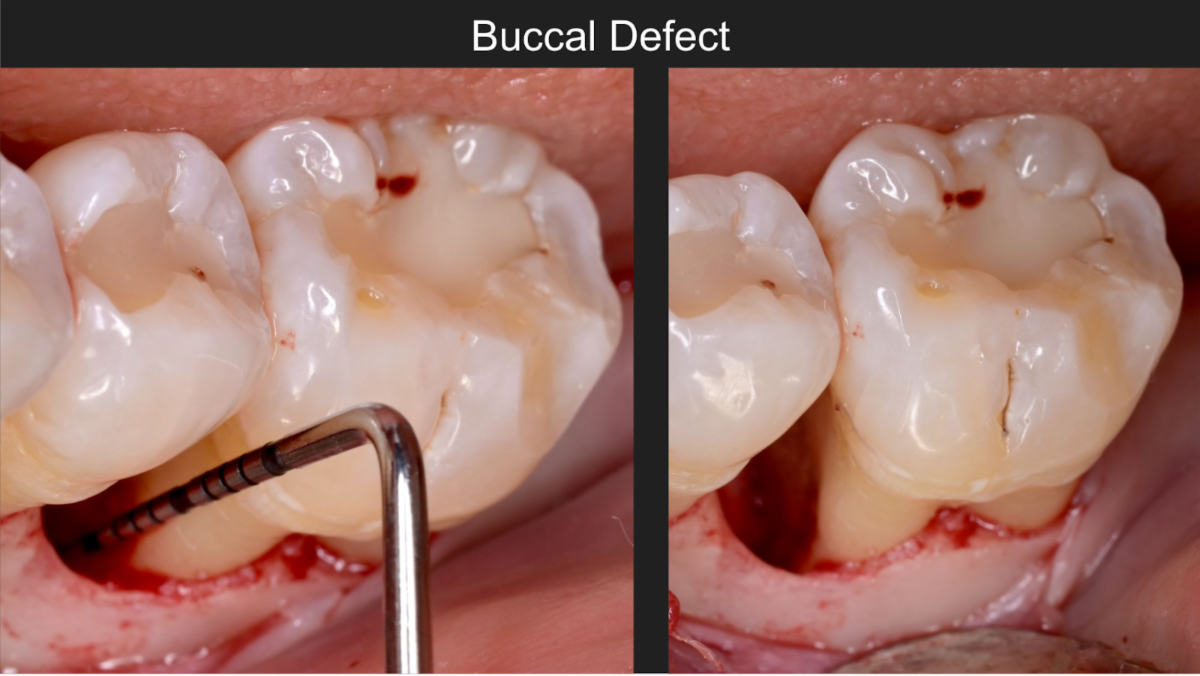
Intrasulcular incisions were made to reflect full-thickness buccal and lingual envelope flaps from #19-d to #22-d.
Granulomatous tissue removal and scaling and root planing were completed using ultrasonic and hand instrumentation.
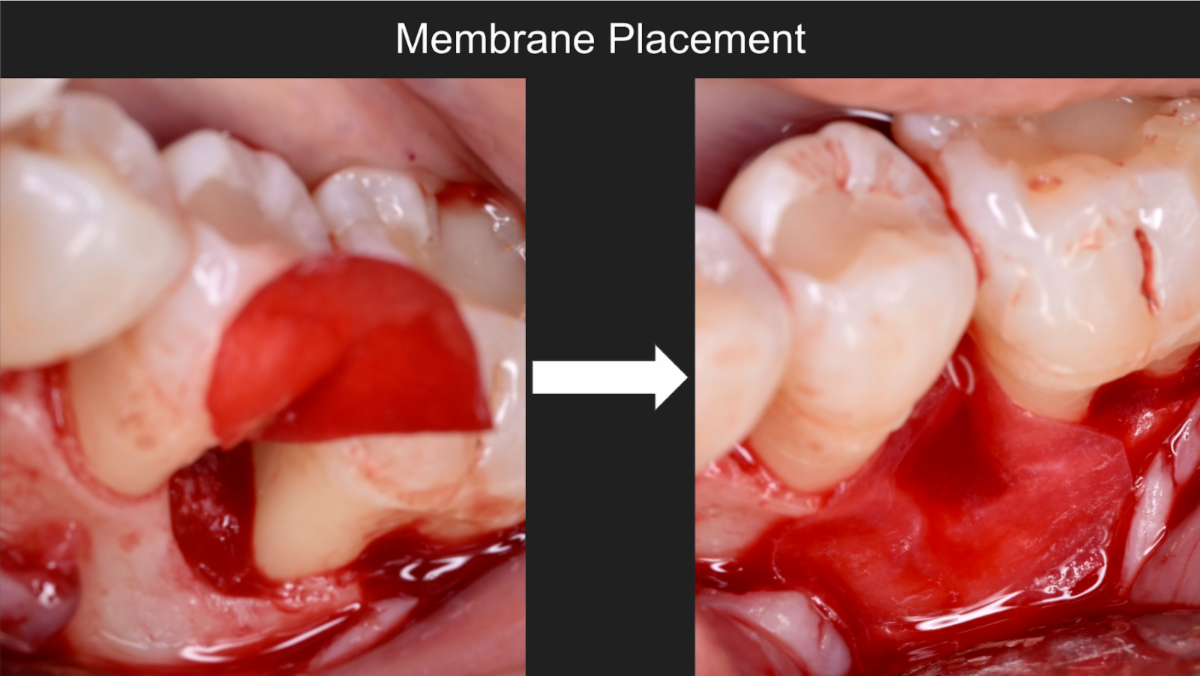
Osseous defect grafting (DFDBA / cancellous FDBA) and guided tissue regeneration using a porcine peritoneum
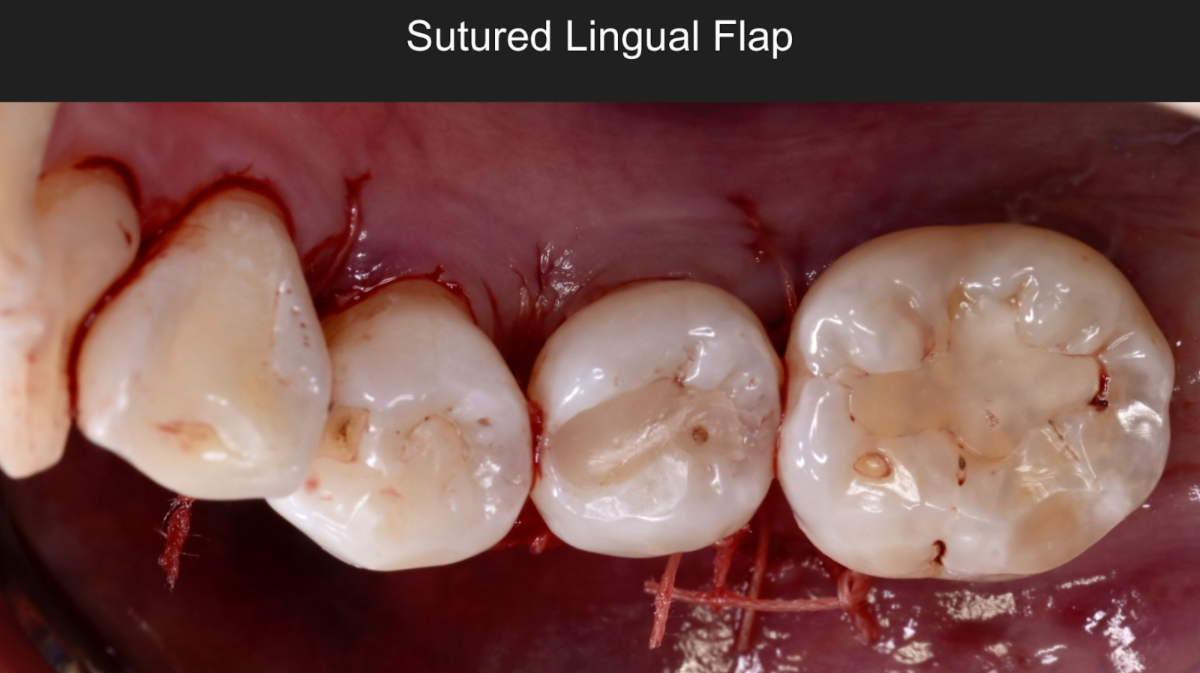
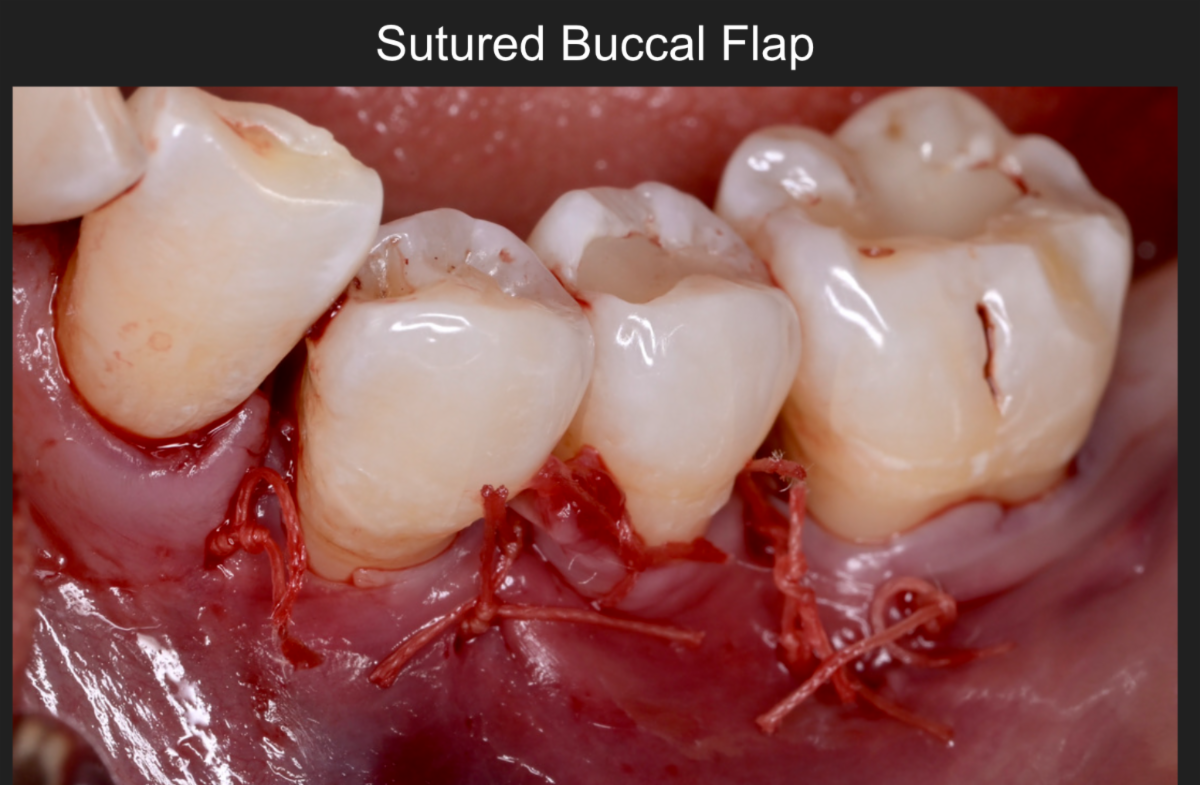
resorbable barrier were performed on #19-m to promote periodontal regeneration. Primary closure was achieved
with simple interrupted and simple sling 4-0 Vicryl sutures.
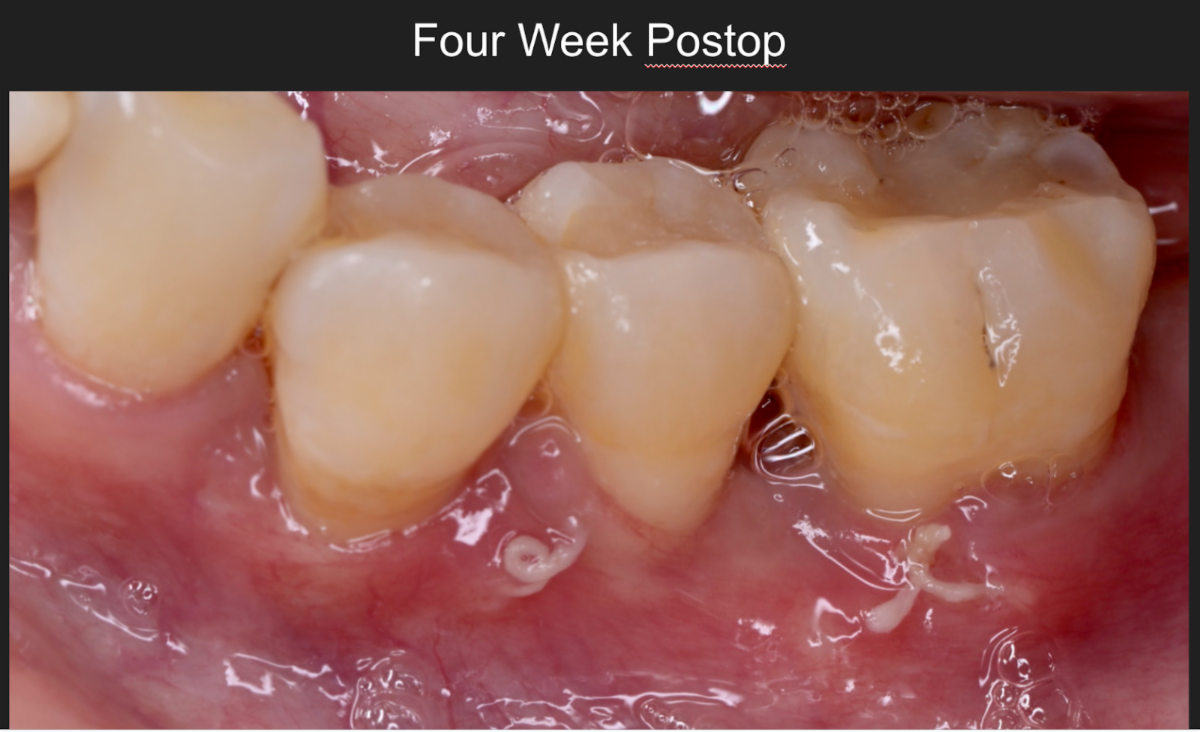
Loose sutures were removed at two weeks, with remaining sutures removed at four weeks post-operatively.
Results & Follow-Up
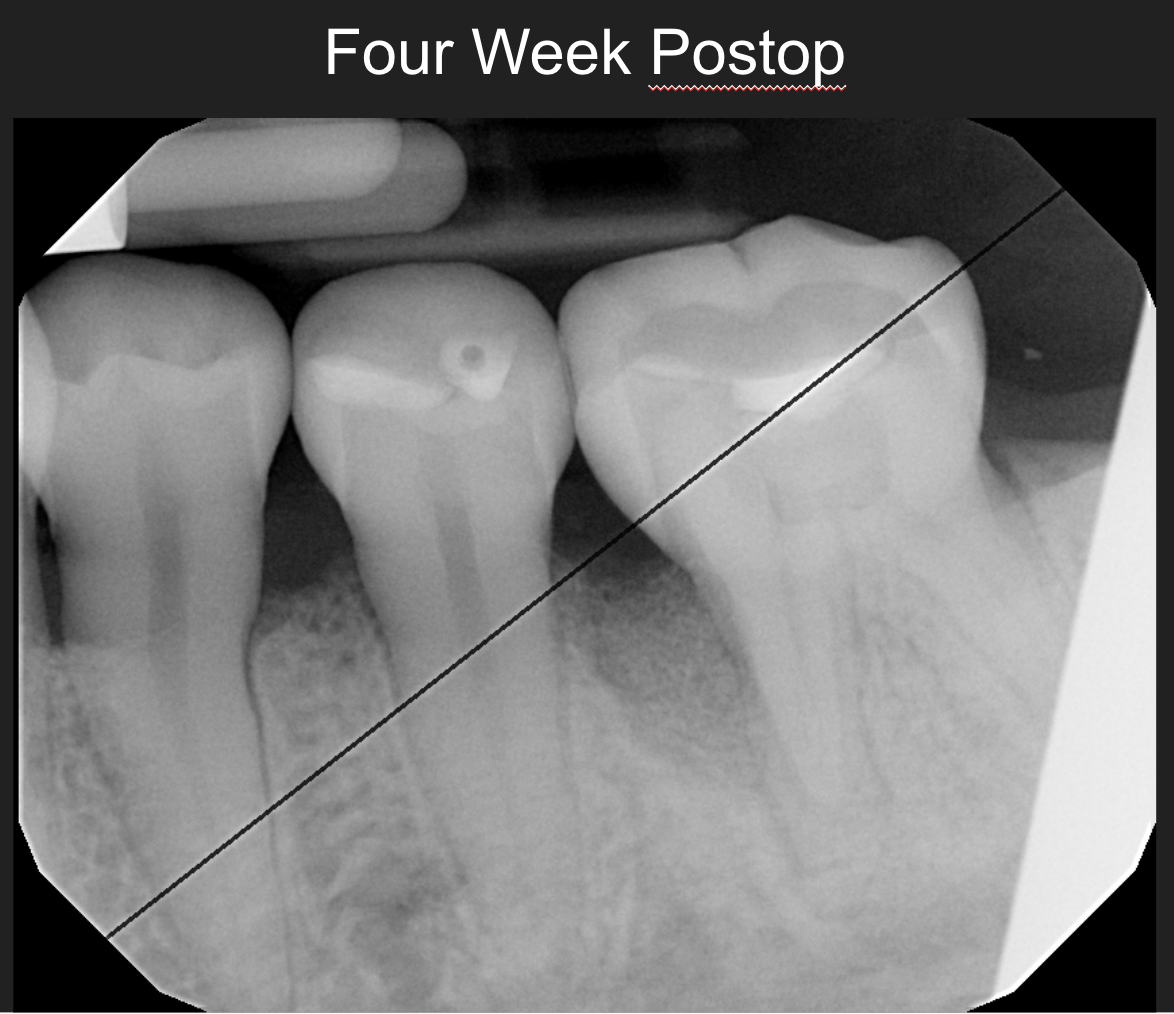
The patient was evaluated at one-, two-, and four-week post-operative visits for healing assessment and debridement.
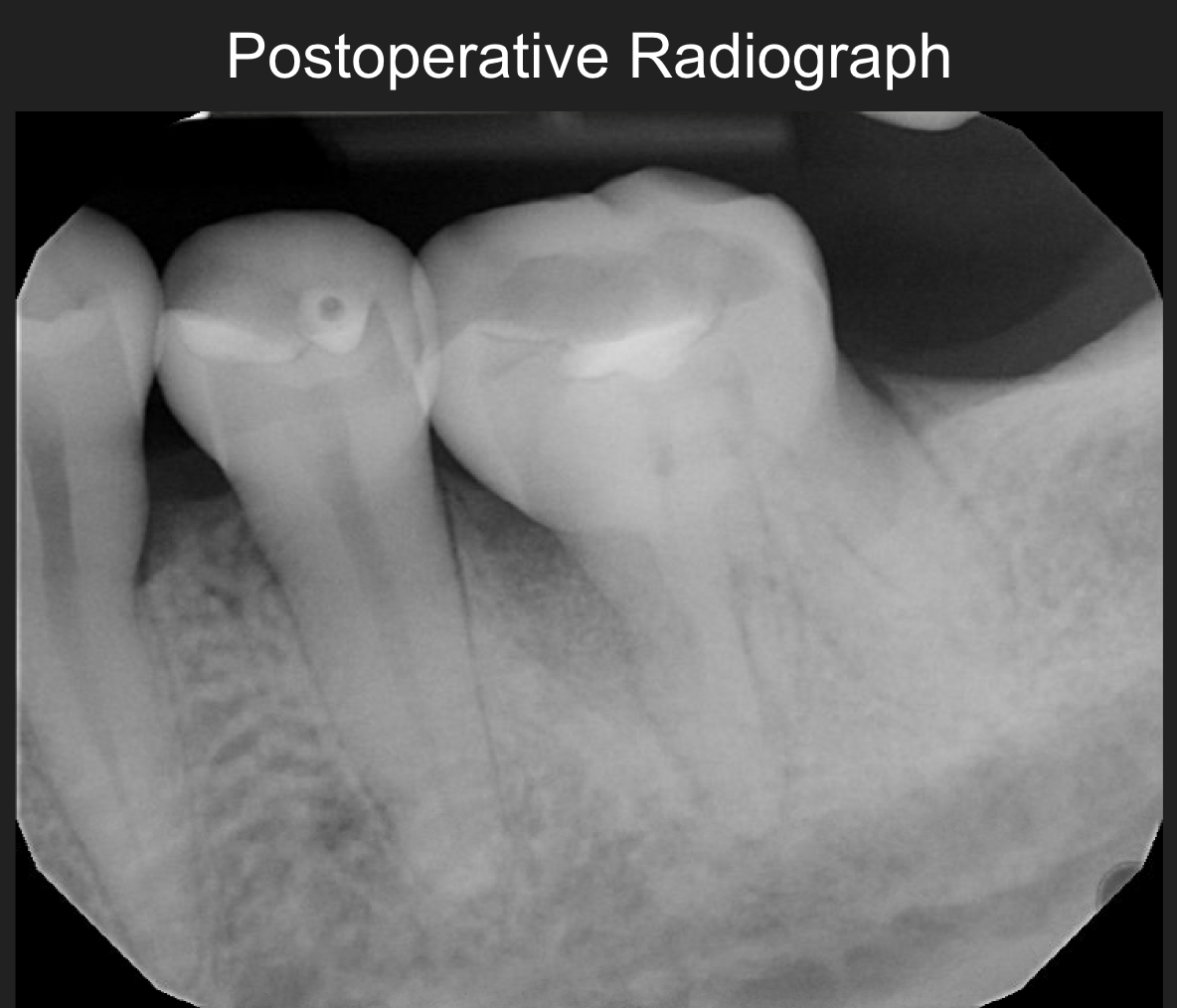
At four weeks, the site demonstrated excellent healing and bone fill.
The patient remained compliant with a three-month periodontal maintenance schedule. At one year post-operatively,
radiographic bone fill was maintained, with #19-m presenting 4 mm probing depths, no bleeding on probing,
and no mobility. All treatment goals were successfully achieved.
This case highlights the benefits of regenerative therapy in preserving natural dentition and restoring periodontal
health. In our practice, we also regularly utilize the LANAP protocol to promote tissue regeneration, particularly
in cases of generalized periodontitis. We welcome collaboration on patients presenting with similar periodontal concerns.
Best regards,
Dr. Bayliegh Biebel